History
History
The Beginning of Pioneering in Bogor
The Leather, Rubber, and Plastic Center (BBKKP) has a long history in its journey to become the institution it is known today. The institute was initially started in Bogor in 1927 under the name Leerlooierij in Lederbewerking Stichting met Het Laboratorium Voor Lederbewerking en Schoenmakerij is a Van Drie Centrale Nijverheidsscholen voor Lichting: Departement van Economische Zaken led by Cavalini as Director.
Moving to Yogyakarta
In 1937, the Department of Economic Affairs decided to move the agency to Yogyakarta, precisely in Tugu Kulon. Oey Ong Ham was appointed as Deputy Director accompanying Cavalini. News of the relocation of the Voor Leder Laboratory was published in various newspapers such as De Indische Courant (May 1, 1937), Nederlandsch Indie (December 11, 1937), and Soerabaijasch Handelsblad (December 15, 1937).
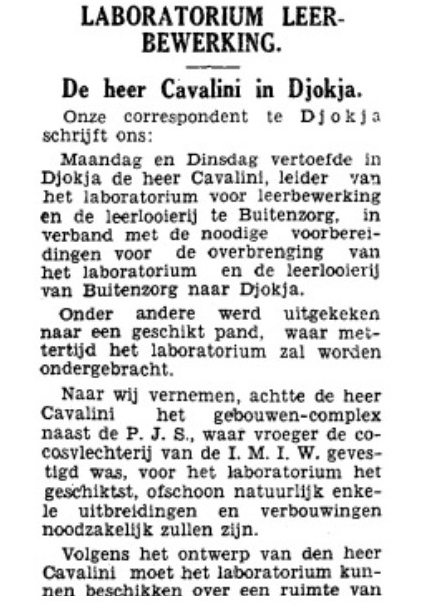
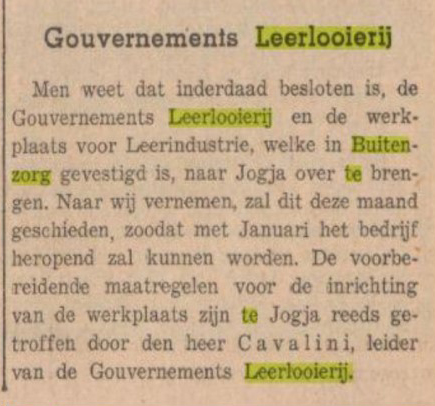
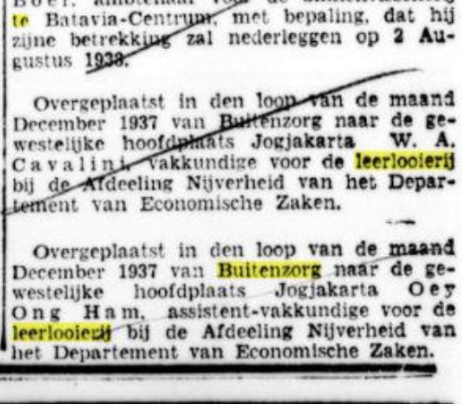
News of the transfer of the Voor Leder Laboratory from the newspapers De Indische Courant (01/05/1937), Nederlandsch Indie (11/12/1937), and Soerabaijasch Handelsblad (15/12/1937)
Early Development in the Post-Independence Period of Indonesia
In the early days of independence in 1945, the Voor Leder Laboratory was taken over by the Government of Indonesia under the Ministry of Economy and renamed the Skin Research Center with Amir Husin Siregar as the Head of the Center. After the end of Dutch rule and the handover of sovereignty to the Republic of Indonesia in 1950, national development began, especially in the domestic industrial sector.
As an agrarian country, Indonesia needs to build an industrial sector to improve people's living standards. Industrial development is considered important because only countries that have entered an industrialistic structure can accelerate the improvement of the living standards of their people. For this reason, industrial research activities are intensified gradually, starting from simple to mechanization and refinement.
Yogyakarta as the capital of the revolution in 1950 became the center of various industrial research activities, including the Skin Research Center which initially had only one office and six employees. After the war of independence, research activities experienced major obstacles due to the lack of laboratory equipment.
.
Early Productivity and Starting Skin Research
It was only in 1951, after the addition of skilled employees and facilities, that research activities began to be active again albeit with simple equipment. At that time, the Leather Research Institute was under the Industrial Office, Ministry of Economy. With makeshift equipment, this center is able to produce various types of leather such as boxes, ecrace, suede, and chamois, as well as conduct research on the tanning process of plant-based, mineral, and unsaturated oils.
Reorganization Period
In 1956, the institute came under the Department of Research and Education Institutes, Ministry of Industry.
Improvement of Research Facilities
In 1957, the activities of the center increased with the arrival of various physical testing machines such as:
- Abrasion Strength Tester: to test the wear resistance of the leather sole (shoe sole),
- Schopper Machine: to measure the tensile strength of plywood or top,
- Crockmeter: to test the rubfastness of the pigment finish on the skin,
- Bending Strength Tester: to determine the flexural strength of box, chevreaux, and suede leather for shoe needs.
In addition, there are also large machines for the Pilot Plant such as pretense leather embossing machines, sammying machines, and two diesel generators.
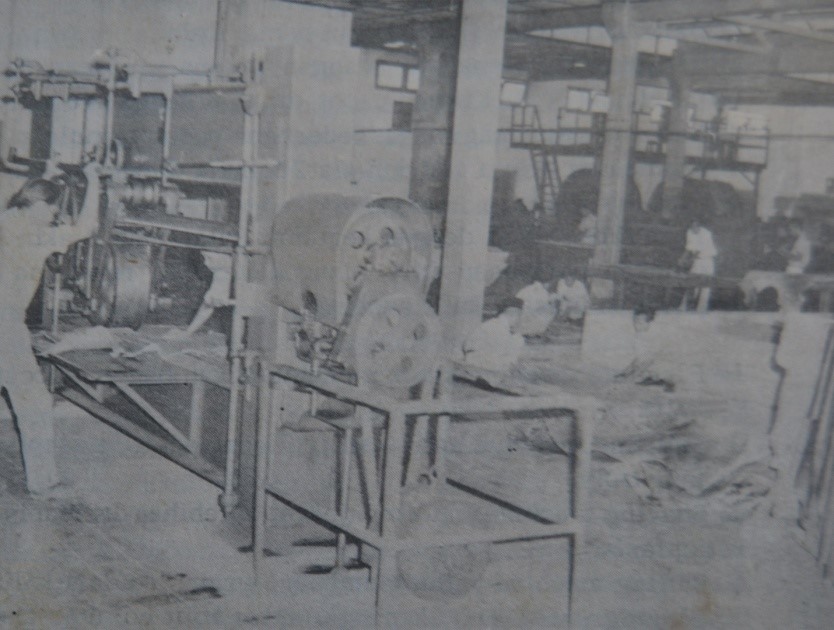
Pilot Plant
New Orders
Based on the Law of the Republic of Indonesia Number 85 of 1958 concerning the Five Years Development Plan 1956-1960, the Leather Research Center has the task of advancing the industry through providing technical advice, improving mechanization, and improving the quality of technology through material inspection, investigation, counseling, and technical education.
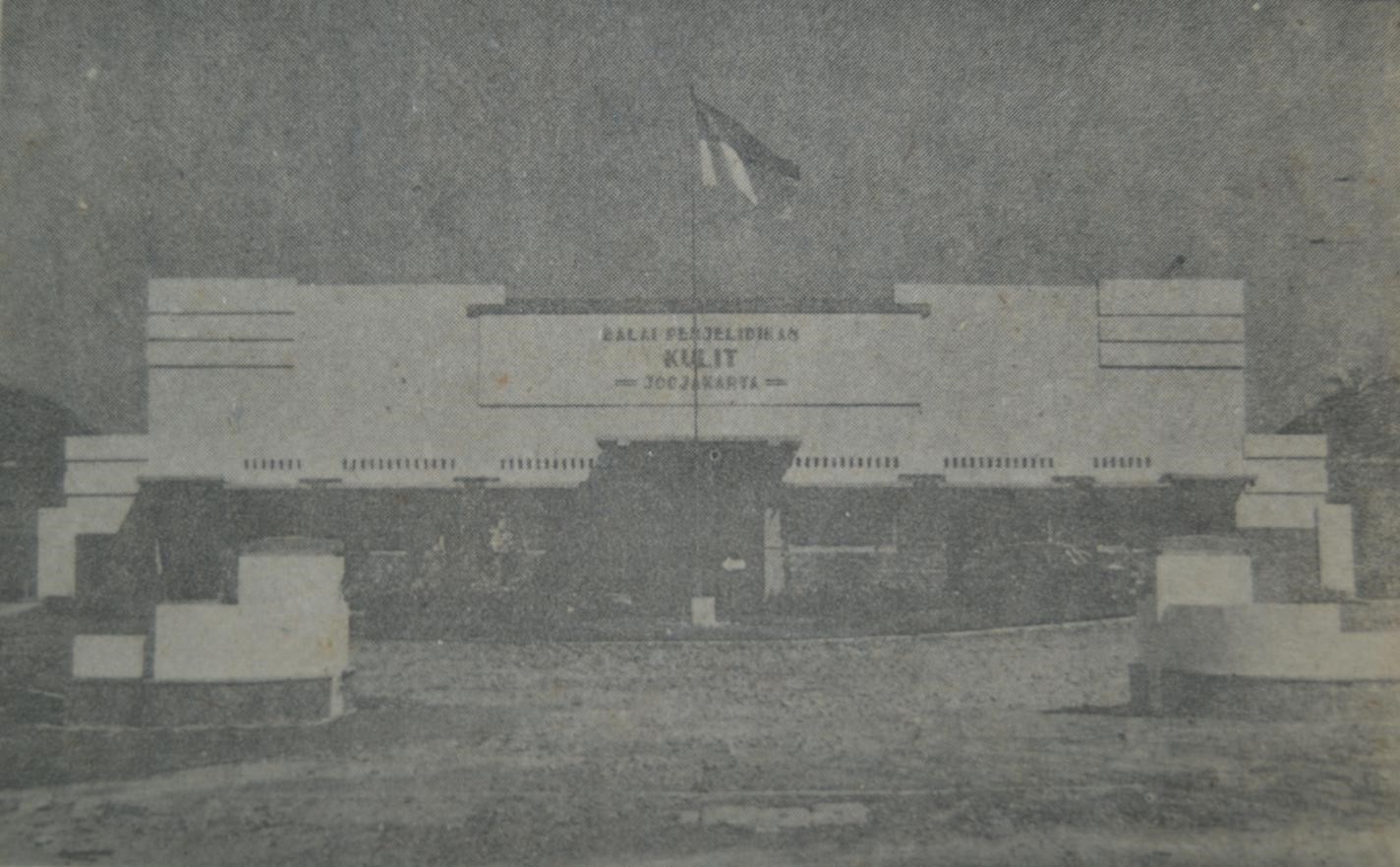
P.N.P.R NUPIKSA YASA, Skin Research Center Building, Semaki, Yogyakarta
Institutional Transformation
In 1960, the status of the Djawatan was changed to the Institute of Technology and Education under the Ministry of People's Industry.
Status Change
In 1961, this institution became the State Company for Research, Development, and Education Affairs under the name PN. PR. Nupiksa Yasa, and the Skin Research Center are one of the units. Based on the Decree of BPU PNPR No.142/Sek/BPU/61 dated July 16, 1961, the name of the institution officially became the Skin Research Institute with PN status under PN. PR. Nupiksa Yasa.
Name and Status Change
In 1980, through the Decree of the Minister of Industry No. 218/M/SK/6/1980 dated June 5, 1980, the name and status of the institution was changed to the Center for Research and Development of the Leather, Rubber, and Plastic Goods Industry.
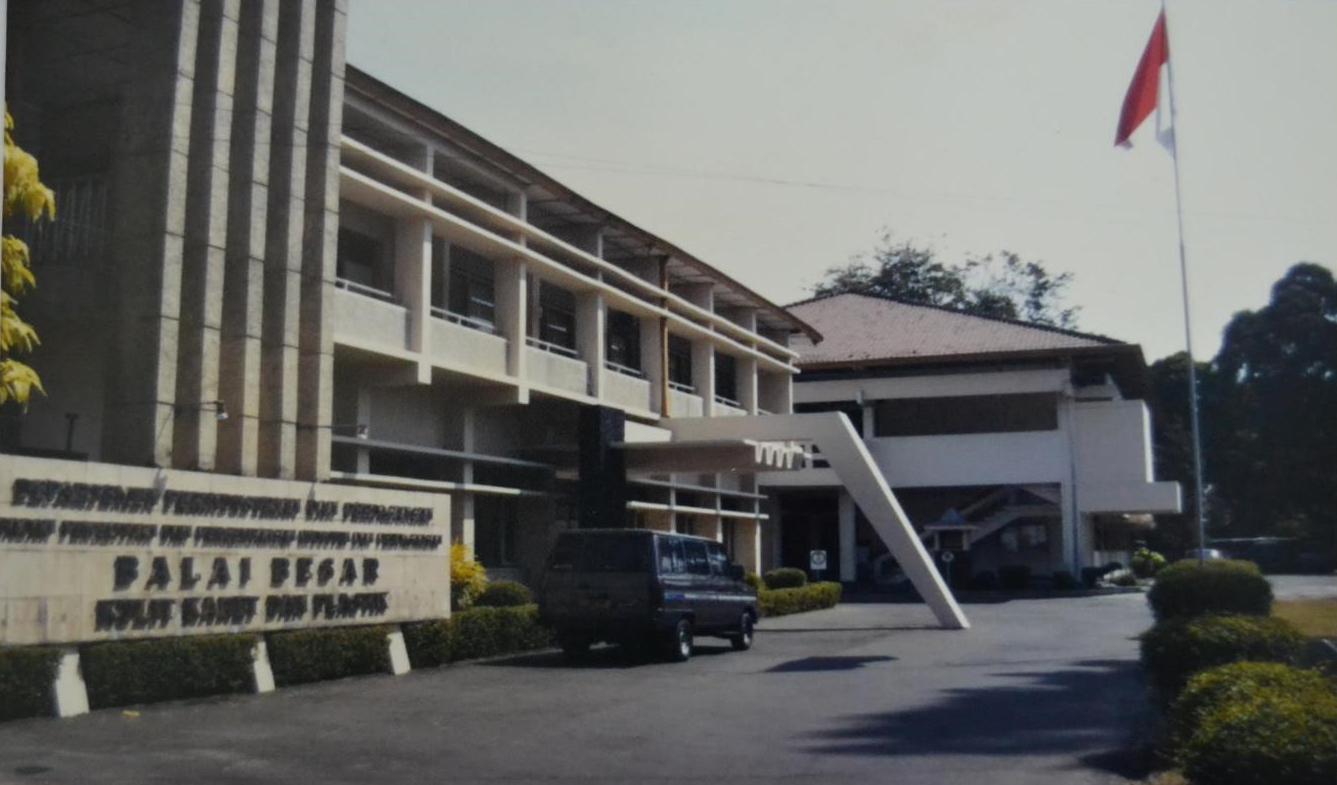
Leather, Rubber and Plastic Industry Research and Development Center Building
Determination of the Official Name of BBKKP
On December 6, 1995, the Ministry of Industry was merged with the Ministry of Trade to become the Ministry of Industry and Trade (Depperindag). The organizational structure of BBKKP has not changed. Based on the Decree of the Minister of Industry and Trade No.783/MPP/Kep/11/2002, the official name of the institution became the Leather, Rubber, and Plastic Center (BBKKP).
Separation of the Ministry of Agriculture
In 2006, the two departments were re-separated, and BBKKP was under the Ministry of Industry according to the Decree of the Minister of Industry No.45/M-IND/PER/6/2006.
Transformation to the Ministry of Industry
Through Presidential Regulation No. 47 of 2009, the Ministry of Industry was renamed the Ministry of Industry, but the structure of BBKKP remained the same.
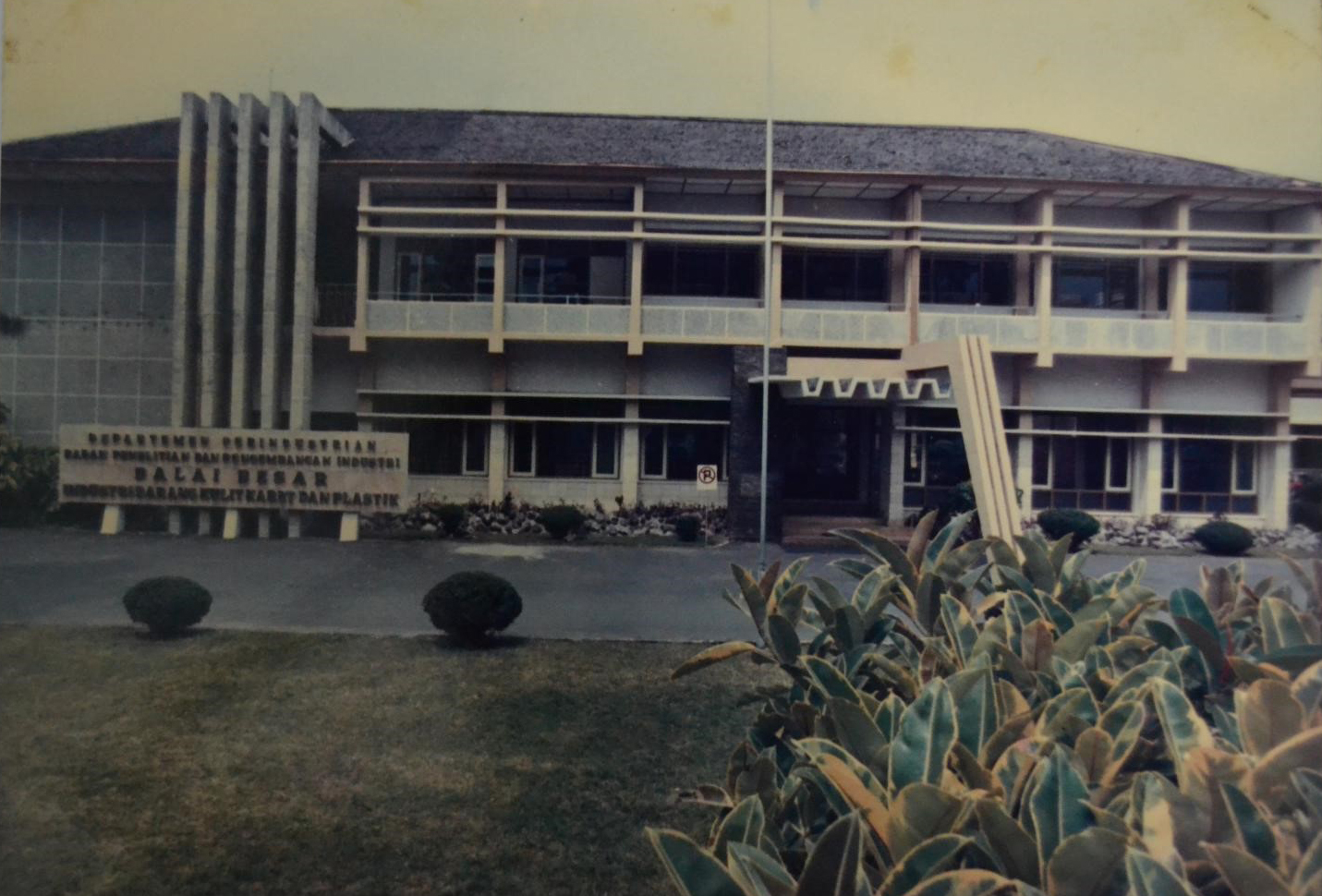
Leather, Rubber and Plastic Industry Research and Development Center Building
BBKKP Under BPKIMI
The next change occurred in 2010 based on the Regulation of the Minister of Industry No.105/M-IND/PER/2010, where BBKKP is under the Agency for the Assessment of Industrial Policy, Climate, and Quality (BPKIMI) without any change in its main duties and functions.
Change of BPKIMI to BPPI
The issuance of Presidential Regulation of the Republic of Indonesia Number 29 of 2015 concerning the Ministry of Industry, the Agency for the Assessment of Policy, Climate and Industrial Quality (BPKIMI) changed to the Industrial Research and Development Agency (BPPI). Thus, BBKKP is now under the Industrial Research and Development Agency (BPPI) without experiencing any changes in its main duties and functions.
Transformation to BSKJI
Based on the Presidential Regulation of the Republic of Indonesia Number 107 of 2020 dated November 6, 2020 concerning the Ministry of Industry, the Industrial Research and Development Agency (BPPI) has changed to the Industrial Services Standardization and Policy Agency (BSKJI). Thus, BBKKP is now under the Industrial Services Standardization and Policy Agency (BSKJI) without experiencing any changes in its main duties and functions. 2020.
The New Era of BBSPJIKKP
The last transformation occurred on February 17, 2022 through the Regulation of the Minister of Industry No. 1 of 2022 concerning the Organization and Work Procedures of Technical Implementation Units within BSKJI. BBKKP transformed into the Center for Standardization and Service of the Leather, Rubber, and Plastic Industry (BBSPJIKKP). However, the name BBKKP is still commonly used. This transformation also includes changes in the organizational structure which is now more streamlined, with research and engineering functions eliminated, and units under the head of the center consist of the Administration Section and the Functional Position Group.
Head of the Center from Time to Time
During the period of 66 years since 1953, there has been a change of leadership nine times.



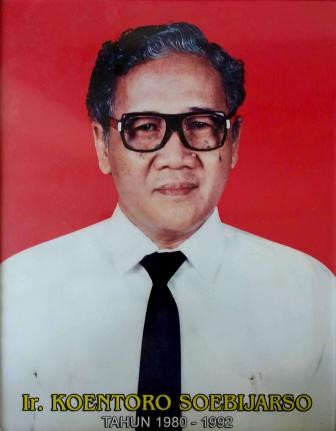
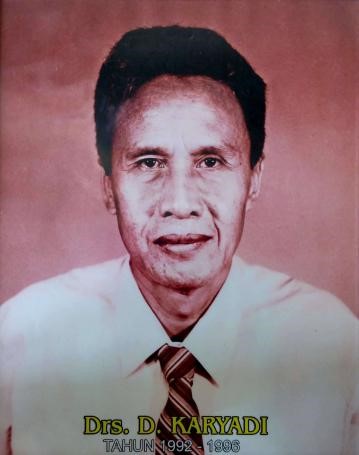
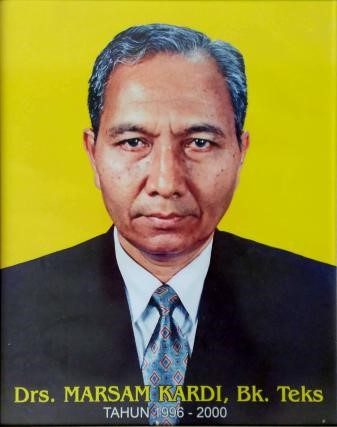
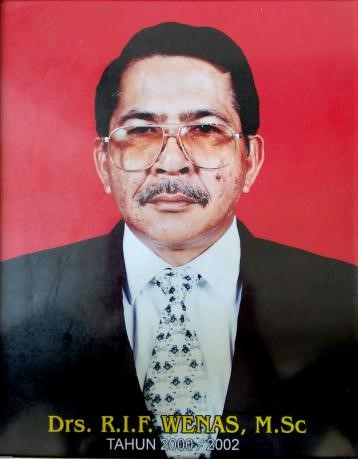
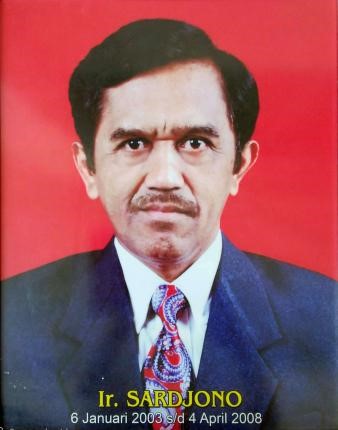
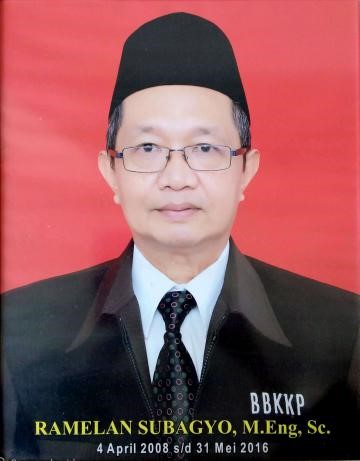
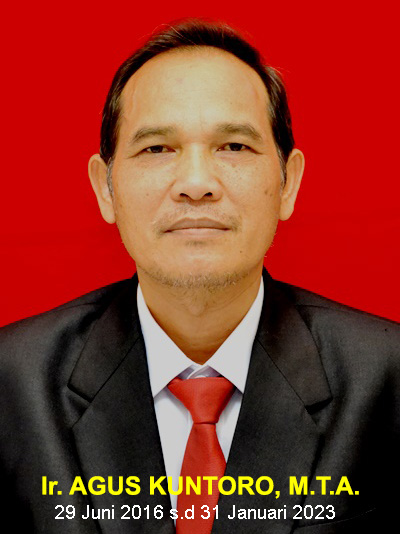
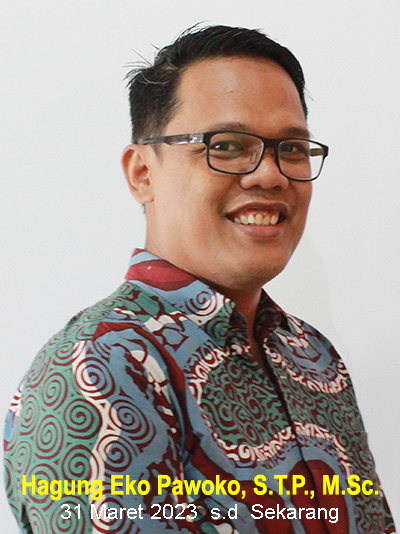
Hagung Eko Pawoko, S.T.P., M.Sc. officially served as the Head of the Center for Standardization and Services for the Leather, Rubber, and Plastic Industry since March 31, 2023, replacing Mr. Agus Kuntoro. Previously, he served as Widyaiswara Functional Officer (2012-2023) at the Yogyakarta Industrial Training Center (BDI) and Implementer at the same institution (2006-2012).